Finding a way forward
We work with you to build on your strengths and focus on what matters to you. Whether you are sleeping rough, at risk of losing your home, or living in our supported housing, we are here to help you work toward a brighter, more secure future.

What services do we offer?
Get Support
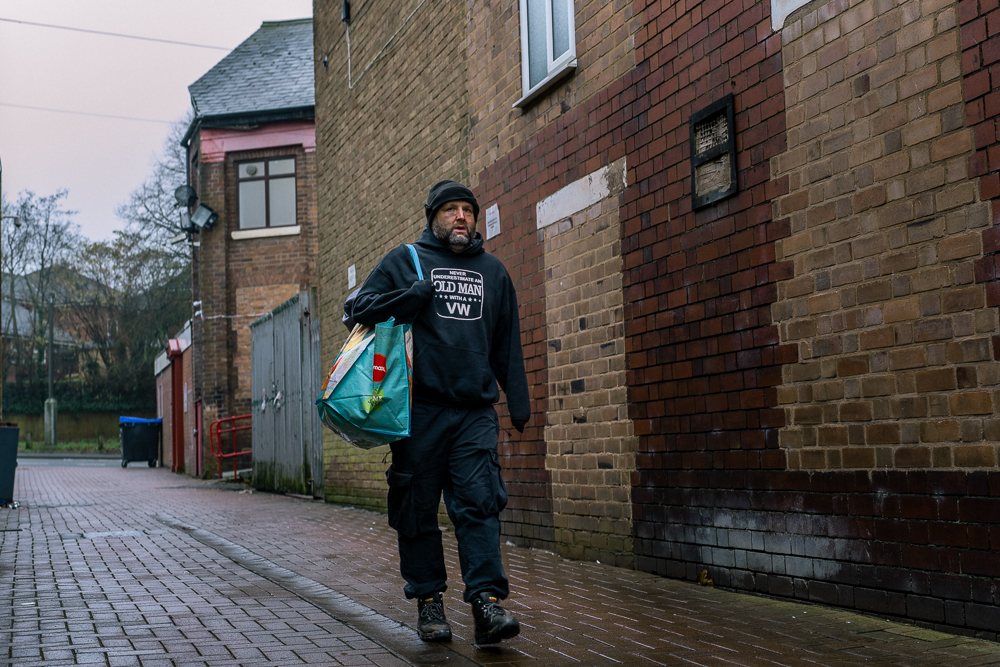
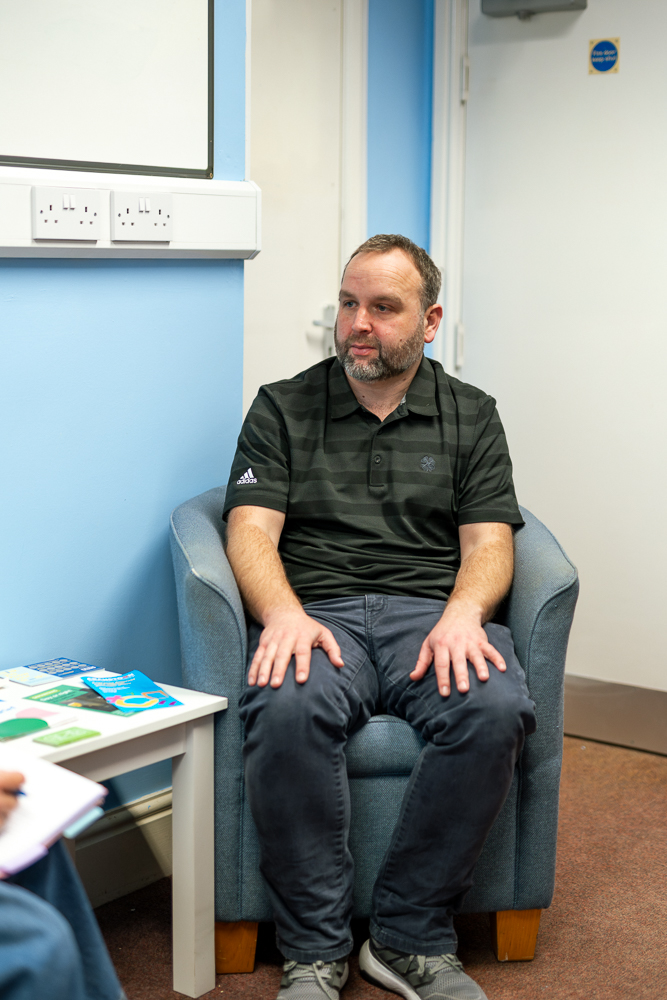
Connection where it’s needed with Homeless Outreach
Providing immediate support and advice on the streets, including essential supplies and linking into local networks to help access safe accommodation and support.
A safe place to call home with Supported Accommodation
stayreferrals@staytelford.co.uk
Providing homely, supported accommodation when you need it most. Offering the stability and safety needed to enable you to focus on the next steps.
Building better and brighter futures with our Wider Support
Working with people to build on their strengths and develop the life skills, health, and wellbeing needed to maintain an independent and fulfilling life.
Who are you here for?
Each situation is different. We’ll listen, talk things through and guide you towards the support that’s right for you.
I need support for myself
I am sleeping rough, sofa surfing or facing homelessness and need support.
Get SupportI’m worried about someone else
I have seen someone sleeping rough or know someone facing homelessness, who I think needs support.
Refer SomeoneI want to support Stay
I want to donate, volunteer or partner with Stay to help provide people with a place to call home and a brighter future.
Get InvolvedWe’ve helped thousands of people get back on their feet, help us continue our work.
Frequently asked questions
Here are our most commonly asked questions. If you still have questions or want more information on the services we offer, do not hesitate to reach out.
How can I donate to help people experiencing homelessness?
Donating is really easy – you can make a one-off donation or sign up to regular giving by joining our group of Stay Friends.
I am homeless or at risk of becoming homeless in the UK. What do I do?
In England, your council must help if you’re legally homeless or will become homeless within 8 weeks. Help may include advice, emergency housing or longer-term housing. Contact your local council or check our Get Support page for more information about help in the Borough of Telford & Wrekin.
How do I know if I am legally homeless?
You may be legally homeless if:
- You have no legal right to live in accommodation anywhere in the world.
- You cannot get into your home, for example, because your landlord has locked you out.
- It’s not reasonable to stay in your home, for example, if you’re at risk of violence or abuse.
- You are forced to live apart from your family or the people you normally live with because there’s no suitable accommodation for you.
- You are living in very poor conditions, such as overcrowding.